Welcome to Yerevan — One of the World’s Oldest Living Cities
If you’ve never heard much about Yerevan, you’re not alone — and that’s exactly what makes it special.
Yerevan is one of the oldest continuously inhabited cities in the world. Founded in 782 BC — 29 years before Rome — it has survived empires, invasions, revolutions, and rebirths. Today, it is a vibrant, walkable, café-filled capital where ancient history meets Soviet architecture and modern creativity.
Built from pink volcanic tuff stone and framed by views of the biblical Mount Ararat, Yerevan feels warm, open, and deeply human. Unlike many European capitals, it is not overwhelming. You can explore much of the city center on foot in just a few hours — yet every corner hides stories stretching back nearly 3,000 years.
Whether you're visiting for 24 hours or planning a full Armenian adventure, this guide will help you understand:
- What makes Yerevan unique
- The best things to do
- Where to eat
- When to visit
- How many days you need
- And how to experience the city beyond the surface
Let’s begin.
Where Is Yerevan & Why Is It Special?
Yerevan is the capital of Armenia, located in the South Caucasus region between Europe and Asia. It sits at about 1,000 meters above sea level, which gives the city sunny days, dramatic skies, and cool evenings even in summer.
But what truly makes Yerevan special is not geography — it’s depth.
1. Older Than Rome
Yerevan was founded in 782 BC when King Argishti I built the fortress of Erebuni Fortress. This makes it one of the world’s oldest cities with a documented birth date.
When you walk through Yerevan today, you’re not just walking through a modern capital — you’re walking through layers of Urartian, Persian, Ottoman, Russian Imperial, Soviet, and independent Armenian history.
2. The Pink City
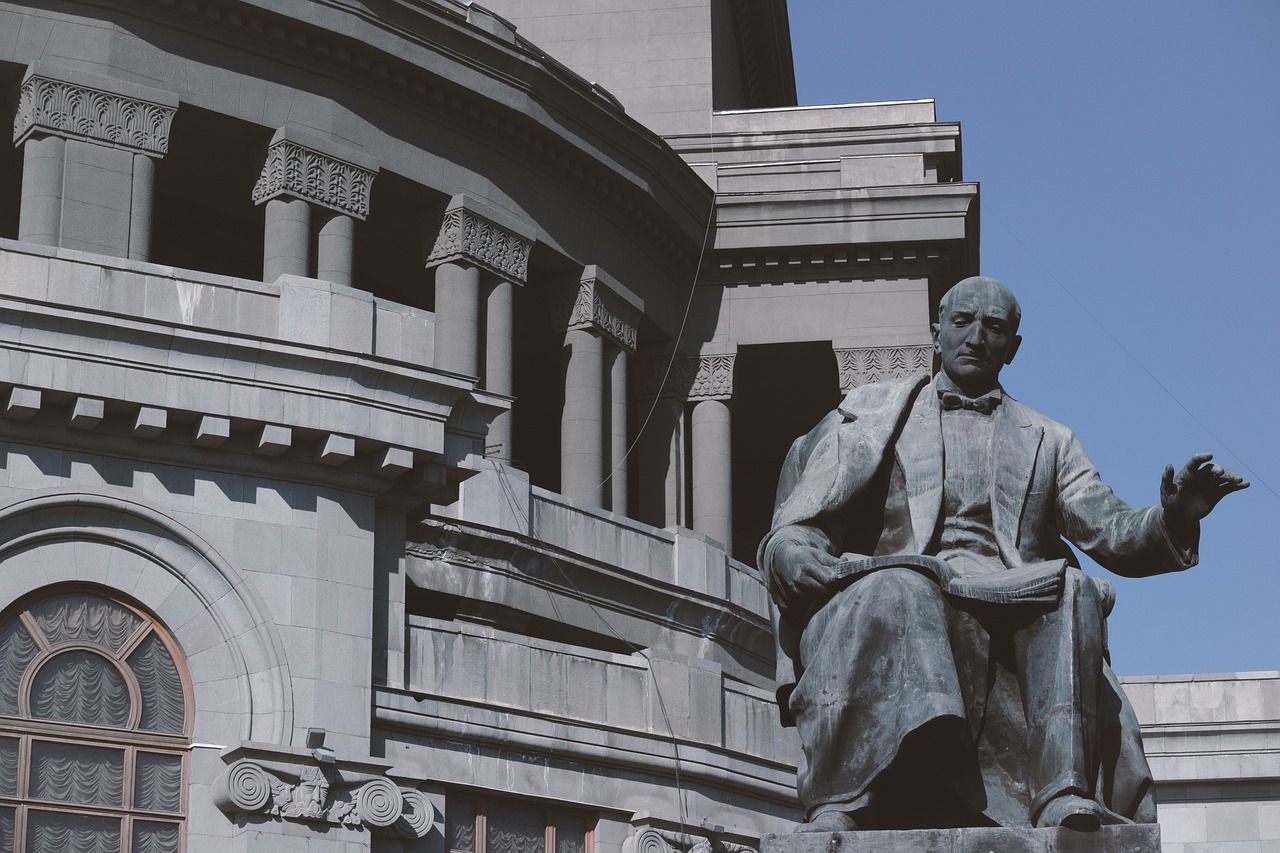
Yerevan is often called “The Pink City” because many of its central buildings are made from volcanic tuff stone in shades of rose and apricot. During sunset, the entire city glows softly — something visitors always remember.
This architectural unity comes largely from 20th-century urban planning that reshaped the city into a circular layout centered around:
- Republic Square
- Cascade Complex
These are must-see landmarks and also major stops on most walking tours.
3. A Capital That Feels Human
Unlike Paris, Rome, or Istanbul, Yerevan does not overwhelm you.
It feels:
- Walkable
- Relaxed
- Social
- Safe
- Affordable
Locals spend evenings outside in cafés, parks, and open-air wine bars. Strangers start conversations. Musicians play in squares. Grandparents play chess under trees.
Yerevan is not about rushing — it’s about experiencing.
A Brief History of Yerevan (From 782 BC to Today)
To understand Yerevan, you need to understand its resilience.
Ancient Foundations
The story begins with the Kingdom of Urartu and the construction of Erebuni Fortress in 782 BC. Archaeologists have found inscriptions proving the exact year of the city's founding — something very few ancient cities can claim.
Persian & Ottoman Periods
Over centuries, Yerevan changed hands many times between Persian and Ottoman rule. It was often a frontier city — destroyed and rebuilt repeatedly.
Russian Empire (19th Century)
In 1828, Yerevan became part of the Russian Empire. This marked a period of modernization and population growth.
Soviet Era (1920–1991)
In 1920, Armenia became part of the Soviet Union. During this time, Yerevan was radically redesigned into a planned capital city. Wide boulevards, monumental architecture, and public squares were constructed — many of which you still see today.
Independence & Modern Yerevan
After the collapse of the Soviet Union in 1991, Armenia became independent. The 1990s were economically difficult, but the 2000s brought rapid development. Today, Yerevan is a creative, tech-growing, culturally alive capital city.
Top Things to Do in Yerevan
Here are the must-see highlights for first-time visitors.
1. Explore Republic Square
Republic Square is the heart of the city. Surrounded by grand government buildings and the History Museum, it becomes especially magical in the evening when the musical fountains begin.
Come here at sunset. Stay for the lights.
2. Climb the Cascade Complex
The Cascade Complex is part giant staircase, part outdoor museum. As you climb, you’ll see modern sculptures, art installations, and panoramic views of Mount Ararat.
On clear days, it’s breathtaking.
3. Visit the Genocide Memorial
The Tsitsernakaberd is a powerful and emotional site dedicated to the victims of the Armenian Genocide. It’s a deeply important place for Armenians and offers essential historical context.
4. Wander Northern Avenue
Northern Avenue connects Republic Square to the Opera House and is full of cafés, shops, and street life. It’s one of the best places to feel the city’s rhythm.
5. Experience a Free Walking Tour
The best way to understand Yerevan isn’t just to see it — it’s to hear its stories.
A local guide connects the ancient fortress, Soviet architecture, modern politics, and everyday Armenian life into one coherent narrative.
If you’re visiting for the first time, starting with a walking tour helps you understand the city in just a few hours — and gives you recommendations for the rest of your stay.